

There’s no question that fertility benefits matter – but they’re only part of the picture. Financially, the impact on those going through fertility treatment can be huge, especially as we see cut-backs by the NHS on eligibility and number of funded rounds for individuals and couples, with waiting lists also adding a barrier in the UK. This means many need to look to try and fund testing and treatment privately to give themselves a chance of having a baby – although still with no guarantees. There’s a lot to be said about the fertility funding crisis in the UK – to understand more about the barriers people are facing, Fertility Action Charity’s ‘Fertility Access Campaign’ is working to address these critical gaps in provision.
When it comes to the workplace, an employer might announce £10,000 towards fertility treatment, which on the surface sounds incredible and will be hugely beneficial for many. However, that generous benefit package may lose its appeal if you haven’t told your manager you’re even trying for a baby, if you’re terrified to ask for time off for appointments, or if you’ve already got through numerous sick days to cover egg collection because you didn’t know what else to do. Without the right culture and foundations in place, even the most generous financial support falls short for those who need it most.
This is the reality for thousands of employees across the UK. You might be one of the few who work in an organisation that provides funded treatment, money towards treatment, or funded fertility testing – which could relieve a huge financial burden. But what if you didn’t feel comfortable talking to your employer to ask for the time off to attend appointments? What if you felt your manager didn’t understand, if you felt isolated not knowing anyone else experiencing this life event, if you felt your career was going to be impacted if you shared this at work, worried that the emotional impact won’t be understood?
The foundation of a Fertility Friendly Employer isn’t rooted solely in financial funding
Financial benefits can be hugely supportive and, in some cases, transformational – allowing access to treatment that might otherwise not be available. But they don’t address what is often the biggest challenge and burden for people: managing work on a day-to-day basis alongside the practical and emotional impact fertility treatment can have. You can’t just leave it at the door. The time needed for appointments is disruptive and frequent, meaning it’s hard to hide from colleagues. There’s still a huge stigma around such a personal topic in society. While 99% of respondents in our 2025 survey said fertility treatment was a significant life event for them, only 36% felt their employer recognised it as such.
Real support comes from an organisation’s culture, not a fancy package. It’s in the day-to-day conversations, the psychological safety around disclosure, and career stability and prospects.
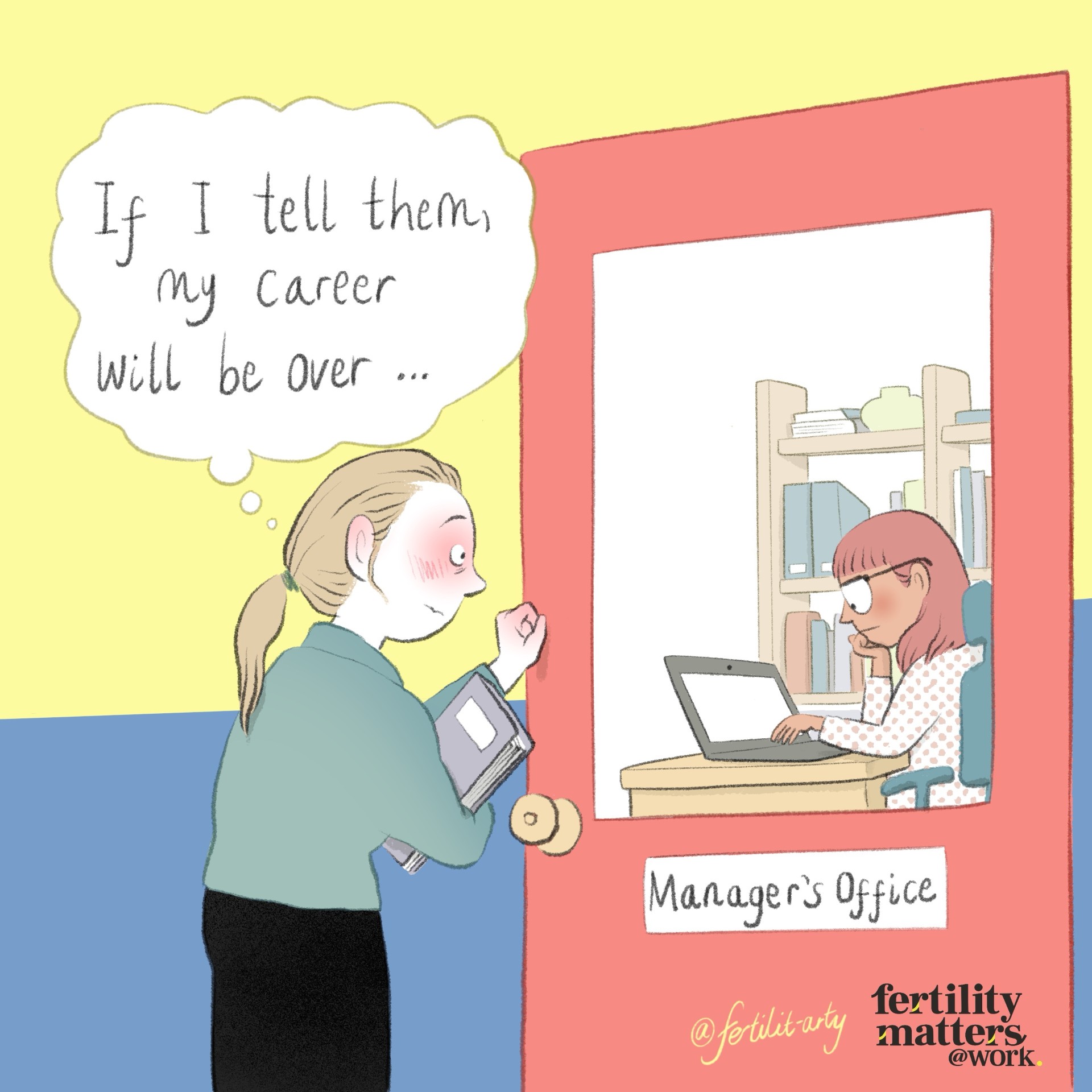
Employees deserve more than words.
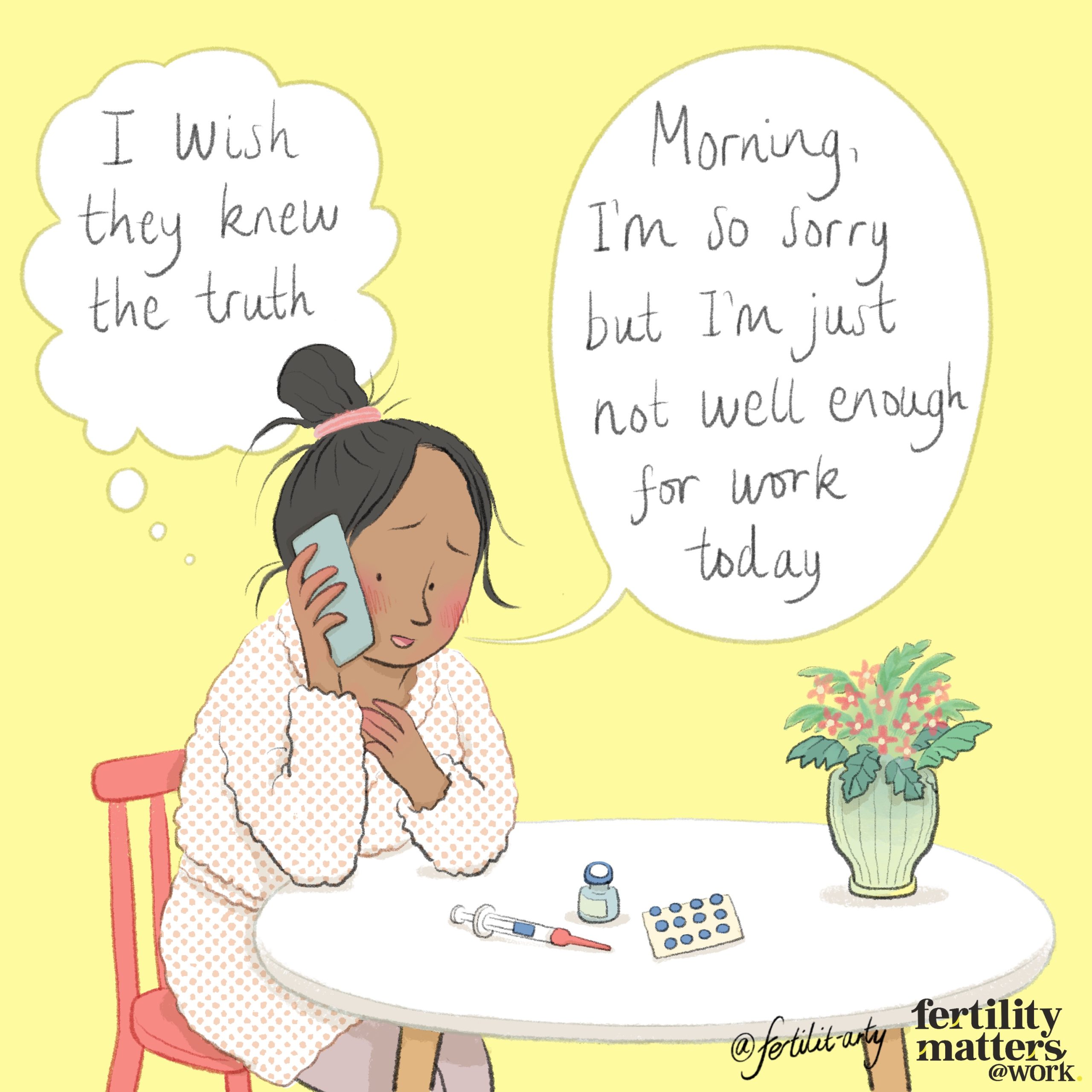
We know that very few will turn down money towards fertility treatment. But financial support alone won’t create the long-term loyalty and engagement that comes from genuine psychological safety and a supportive workplace culture. Without that foundation, people may access the financial support but still feel isolated, unsupported in their day-to-day experience, and uncertain about their future with the organisation. The question isn’t whether to offer benefits, but how organisations support in a way that’s person-centred rather than solely financial. When people don’t feel that support, they’re taking sick leave to hide appointments, working through grief after failed cycles in silence, and quietly job-hunting for somewhere that understands what they’re going through. The mental health impact is profound – 99% of respondents in our survey said fertility treatment had affected their mental wellbeing, yet without workplace support, most are managing this entirely alone.
The Cost of Getting It Wrong
The cost of fertility support often scares organisations, but what’s actually expensive is the cost of inadequate or non-existent support.
Our research and subsequent cost analysis examined the financial impact, revealing that inadequate fertility policies are costing UK businesses an estimated £217.3 million annually – a silent drain on productivity, talent and tax revenue, not to mention the human cost of a lack of support.
The biggest cost drivers include:
- Unplanned sick leave taken for fertility treatment accounts for £53.8 million. Previous research showed 64% of employees take sick leave, with many citing it was to hide their treatment from their employer
- Staff turnover comes to £96.2 million, with 6% of employees having left employment due to lack of support, and replacement costs averaging £30,614 per position
Perhaps most surprisingly, our cost analysis showed us that providing 10 days paid fertility leave (£388) costs less than providing 5 days (£434), due to productivity gains from carefully planned absence.
The choice is simple. A minimal cost for planned fertility leave or as much as £35,317 in unplanned costs. Most businesses are choosing the expensive option without realising it, and employees are paying the price in lost careers and stalled opportunities. Read more about our research and cost analysis here.
Building the Foundations
Financial benefits can price out many smaller organisations who genuinely want to support their employees. The reality is that huge differences can be made through simple, meaningful steps. Your organisation may not be able to afford financial support for fertility treatment right now, but what you can do is benefit both employees and your organisation by putting in place the foundations of support as a vital consideration within your ongoing people strategy.
Think of it like this: benefits are the icing on the cake, but you still need the layers of support underneath it. The foundations that actually matter:
✓ Policy and/or guidance in writing – so people know what support exists and how to access it
✓ Raising awareness and understanding across all colleagues
✓ Education for managers – so they can have these conversations confidently. Manager training is a core part of our framework to ensure the ‘line manager lottery’ isn’t at play and managers feel confident in having these sensitive conversations
✓ Flexibility and time to attend appointments – without having to lie about it
✓ Joining up the dots with existing support like EAPs and occupational health
✓ Establishing and building peer support – so people don’t feel alone
✓ Signposting to emotional support – because this is hard!
This is such a sensitive topic – expert guidance and sensitively opening up these conversations is key.
This is what we provide at Fertility Matters at Work: affordable, meaningful foundations of a fertility friendly employer to complement and amplify any additional fertility benefits you might offer. Not a tick-box exercise, but a real cultural shift which helps to reduce absenteeism, improve engagement and increase talent attraction and retention.
We can work with organisations on steps that fit their budget and context – even starting with a single event to open up the conversation and bring it to life for your people. As a non-profit social enterprise working for the good of the fertility community, when you work with a cause-led organisation like us, you’re also investing in ‘business for good’ – supporting systemic change that extends far beyond your own organisation.
The research is clear – showing that 86% of employees would be attracted to roles offering fertility support, with 38% considering resignation from unsupportive employers. With 73% reporting workplace performance impacts during treatment, the business case for workplace recognition and proactive support is clear.
People will remember how you made them feel – no matter the benefits package.
A compassionate culture doesn’t have to cost the earth. But the lack of it is costing businesses millions – and costing employees their wellbeing, their careers, and sometimes their chance at building a family.
We want to change that.